Source mini car electric winch for Construction, Recovery, and Lifting
Explore 30 available mini car electric winch options featuring hydraulic or electric drive types with tonnages ranging from 2T to 30T. Buyers can compare specifications such as speed, voltage, and customization features to find suitable units for construction hoists and vehicle recovery.
Key considerations
Products List




Comprehensive Sourcing Guide
Strategic Sourcing Guide for Mini Car Electric Winches
Navigating the global market for mini car electric winches requires a disciplined approach that balances technical performance with rigorous compliance verification. The procurement landscape for these specialized lifting and recovery devices is characterized by a wide variance in specifications, ranging from compact 2-ton units to heavy-duty 30-ton recovery systems. Buyers must distinguish between products designed for construction hoists, those intended for vehicle recovery, and general-purpose industrial lifting applications. This guide provides a structured framework for evaluating suppliers, interpreting technical data, and ensuring that the selected equipment meets specific operational needs without relying on unverified marketing claims.
Technical Specifications and Operational Parameters
The core of any successful procurement decision lies in a precise understanding of the technical specifications provided by the manufacturer. In the current market, mini car electric winches exhibit significant diversity in their operational parameters. A critical distinction is found in the tonnage capacity, which can range from 2 tons for lighter utility tasks to 30 tons for heavy recovery operations. Buyers must verify the specific tonnage rating against their intended load requirements, as the "mini" designation in marketing materials does not always correlate with the actual lifting capacity.
The driven type is another fundamental specification. Many units in the current inventory utilize a hydraulic driven type, which offers distinct advantages in torque delivery and smooth operation compared to purely mechanical systems. However, electric winches are also prevalent, often powered by series motor DC systems or operating at specific voltages such as 220V or 440V. The working voltage must be compatible with the power infrastructure of the intended site. For instance, low voltage electric winches are often preferred for specific safety-critical environments, while standard industrial voltages are suitable for general construction hoists.
Speed and motion characteristics are equally vital. The market offers products with varying speed profiles, including "slow" and "fast" operational modes. The reel number and running mode further define the application; some units are designed with a "moving" running mode suitable for dynamic lifting, while others operate in a "haulage" mode for towing or recovery. The pull direction is another specific attribute that must be confirmed, as some models are engineered for forward pulling, while others are optimized for backward pulling. Additionally, the clutch mechanism, whether manual or hydraulic, dictates the ease of engagement and disengagement during operation.
Compliance and Certification Verification
Ensuring that a mini car electric winch meets international safety and quality standards is a non-negotiable aspect of B2B procurement. The supplied data indicates a complex landscape of certifications, including CE, GS, ISO, TUV, and SGS. Buyers should not assume that a single product possesses all these certifications; rather, they must verify the specific certification status for the exact model number being purchased. For example, while some listings mention CE and GS certifications, others may only list CE or ISO standards.
The standard compliance framework is equally diverse. Products may adhere to National Standards, Nonstandard specifications, or specific international standards like FCY or OEM requirements. Quality control processes are often described as adhering to EU standards, which implies a rigorous testing regime, but buyers must request the specific test reports to validate these claims. The presence of certifications such as TUV and SGS suggests a higher level of third-party validation, which is crucial for insurance and regulatory compliance in many jurisdictions.
When evaluating compliance, buyers should also look for specific safety features embedded in the design. Attributes such as "Explosion-Proof," "Insulating," and "Antiseptic" capabilities are critical for operations in hazardous environments, such as chemical plants or mining sites. These features are not universal; a standard winch may lack these protections. Therefore, the procurement checklist must explicitly require documentation proving that the specific unit meets the necessary explosion-proof or insulating standards for the intended environment.
Cost Drivers and Pricing Structures
Understanding the cost drivers for mini car electric winches is essential for budgeting and negotiation. The observed price range in the market is substantial, spanning from $8.75 to $8,900. This wide disparity is driven by several factors, including tonnage capacity, material quality, and the complexity of the electrical system. A 2-ton winch with basic features will naturally be priced at the lower end of the spectrum, while a 30-ton recovery winch with advanced hydraulic systems and specialized certifications will command a premium price.
Material composition is a significant cost factor. The quality of the copper wire used in the motor windings is a primary determinant of performance and longevity. Some suppliers specify "bold enough copper wire," indicating a focus on high conductivity and durability, which justifies a higher price point. Conversely, units with substandard wiring may be cheaper but pose a higher risk of failure under load. The packaging method also influences the final cost; options range from simple carton packing to robust wooden cases or standard seaworthy packing, which adds to the logistics expense but ensures safe delivery.
Minimum Order Quantity (MOQ) and customization options further impact the total cost of ownership. The observed MOQ range is between 1 and 1000 units. Buyers purchasing single units for immediate deployment will face different pricing dynamics compared to those placing bulk orders. Customization is available for many models, including color options (red or design as ordered) and specific voltage requirements. While customization adds value, it often incurs additional costs and may extend the lead time. Buyers must weigh the benefits of a tailored solution against the potential increase in unit price and delivery duration.
Typical Applications and Industry Use Cases
Mini car electric winches serve a variety of industries, and selecting the right unit requires matching the product attributes to the specific application. The data indicates that these devices are commonly used in construction hoists, vehicle recovery, and general industrial lifting. For construction applications, the winch must often operate at specific work levels, such as S3 or S4, which define the duty cycle and frequency of operation. A winch designed for intermittent use may fail if applied to a continuous-duty construction hoist.
Recovery winches, such as those in the Isyj Series, are designed for heavy-duty towing and vehicle extraction. These units often feature a 4WD winch model and a high tonnage capacity, such as 30 tons. The pull direction and clutch type are critical for these applications, as the ability to switch between forward and backward pulling or to engage a hydraulic clutch can be the difference between a successful recovery and a stranded vehicle.
In hazardous environments, the "Explosion-Proof" and "Insulating" features become paramount. These winches are essential for industries like oil and gas, mining, or chemical processing, where standard electrical equipment could pose a fire or explosion risk. The "Antiseptic" feature is particularly relevant for food processing or medical facilities where hygiene is a priority. Buyers must carefully review the product description to ensure the winch is rated for the specific environmental conditions of their site, rather than assuming a standard industrial unit will suffice.
Supplier Evaluation and Manufacturing Capabilities
Evaluating the supplier is as important as evaluating the product itself. The supply chain for these winches is concentrated in China, with specific origins noted in Zhejiang and Shanghai. While these regions are known for manufacturing expertise, buyers must verify the specific factory credentials. One key indicator of reliability is the manufacturer's experience, with some suppliers boasting more than 20 years of manufacture experience. This longevity often correlates with a mature quality control system and a stable supply chain.
The brand name and model number are critical for traceability. Suppliers like "Ini" or those offering "Isyj Series" models provide a specific point of reference for buyers to research past performance and customer feedback. However, buyers should be cautious of generic listings that lack a clear brand identity. The ability to provide OEM services and adhere to specific standards like FCY or National Standards is a strong indicator of a supplier's flexibility and capability to meet unique client requirements.
When assessing a supplier, buyers should also consider their quality control processes. A commitment to "EU Standard" quality control suggests a rigorous approach to testing and inspection. However, this claim must be backed by evidence, such as third-party inspection reports or detailed quality assurance protocols. The packaging details, such as "Standard Seaworthy Packing," also reflect the supplier's attention to logistics and their ability to protect the product during international shipping.
Quality Control and Long-Term Procurement Considerations
Ensuring long-term reliability requires a proactive approach to quality control. Buyers should not rely solely on the supplier's assertions but must establish clear acceptance criteria. The delivery time, often cited as "About 15 Days," is a factor in production planning, but buyers should verify if this timeline holds for customized orders or specific certifications. The working voltage, speed, and tonnage must be verified against the actual performance data before finalizing the purchase.
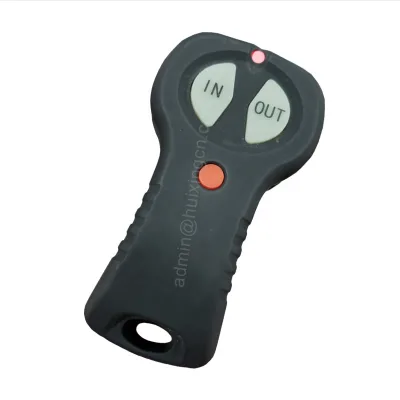
Long-term procurement considerations include the availability of spare parts and the durability of the components. The use of "bold enough copper wire" and robust clutch mechanisms are indicators of a design intended for longevity. Buyers should also consider the maintenance requirements of the winch, particularly for hydraulic systems which may require specialized fluids and seals. The "Remote or Wireless" controller options offer convenience but introduce potential points of failure that must be managed through regular maintenance schedules.
Finally, buyers must maintain a clear record of all specifications, certifications, and test results for each unit purchased. This documentation is essential for future audits, insurance claims, and troubleshooting. By adhering to a disciplined procurement process that prioritizes verified data over marketing claims, buyers can secure reliable mini car electric winches that meet their operational needs while minimizing risk. The complexity of the market demands a thorough vetting process, ensuring that the selected equipment is not only cost-effective but also safe and compliant with all relevant standards.
FAQs
What certifications do mini car electric winches typically have?
Many units carry CE, GS, and ISO certifications. Buyers must verify specific model status as not all products possess every listed certification, and some may only include CE or ISO standards depending on the manufacturer.
How is the tonnage capacity defined for these winches?
Capacity ranges from 2 tons for light utility tasks up to 30 tons for heavy recovery operations. The actual rating must be verified against intended load requirements as marketing terms do not always reflect lifting limits.
Can the color and design be customized for orders?
Yes, customization is available for colors like red or specific designs as ordered. This option allows buyers to tailor appearance but may affect the final unit price and delivery timeline compared to standard stock items.
What is the typical delivery time for these electric winches?
The standard delivery time is about 15 days. This timeline applies to general orders but may vary for customized specifications or specific certification requirements that need additional verification before shipment.
Which driven types are available for mini car electric winches?
Hydraulic driven types are common for smooth torque delivery. Electric winches also exist using series motor DC systems or operating at voltages like 220V and 440V depending on the specific power infrastructure needs.
Are explosion-proof and insulating features available?
Yes, some models include explosion-proof, insulating, and antiseptic features. These are critical for hazardous environments but are not universal; buyers must confirm the specific unit meets the required safety standards for their site.